Why Residential Synthetic Roofing Is Perfect for Midwest Household Homes
A roofing system in the Midwest has a harder job than the majority of. It needs to withstand freeze-thaw cycles, driving rain, summer heat, hail, hefty snow, wind uplift, tree debris, and the average wear that comes with years of domesticity. For numerous home owners, that mix of demands tightens the field promptly. Products that perform well in a light seaside climate can struggle in Illinois, northern Indiana, southern Wisconsin, and the more comprehensive Chicagoland region.
That is specifically why more property owners are taking a significant look at residential artificial roofing. Not since it is fashionable, and not because it duplicates historic materials well, though it commonly does. The real appeal is practical. Artificial roofings can provide the aesthetic deepness of cedar shake, slate, or various other premium profiles while reducing some of the maintenance, weight, and fragility that make natural materials tough for active family members to deal with over time.
In communities across Chicago suburbs, Naperville, and older Midwestern towns with mature trees and variable style, home owners are asking for a roof that looks improved, lasts well, and does not create a stream of fixing calls after every major storm. Building synthetic roof satisfies that require much better than many people realize.
The Midwest places roof products through an actual test
Anyone that has possessed a home in the area for more than a couple of years understands the pattern. Winter shows up with ice dams, deep cold, and wet snow. Springtime brings wind and pounding rain. Summer season warm bakes dark roofing system surfaces, after that an abrupt storm can roll through hail storm and gusts solid enough to remove weak shingles. Loss drops leaves right into valleys and gutters, holding moisture where it need to not sit.
Those swings issue due to the fact that roof covering materials do not fall short at one time. They fail gradually, with growth and tightening, impact damage, granule loss, loosened up bolts, wetness breach, and UV break down. A family might not notice the problem until a ceiling stain appears, attic room insulation obtains moist, or a leak finds the specific wrong spot over a kid's bed room or the upstairs landing.
This is where artificial roofing systems make sense. The better items are crafted especially to take care of duplicated thermal motion and wetness exposure without becoming brittle or exceedingly heavy. On homes where natural slate would include considerable architectural tons, or where wood shake would require an extra aggressive upkeep regimen, costs artificial roofing offers owners another choice that better matches the pace of family members life.
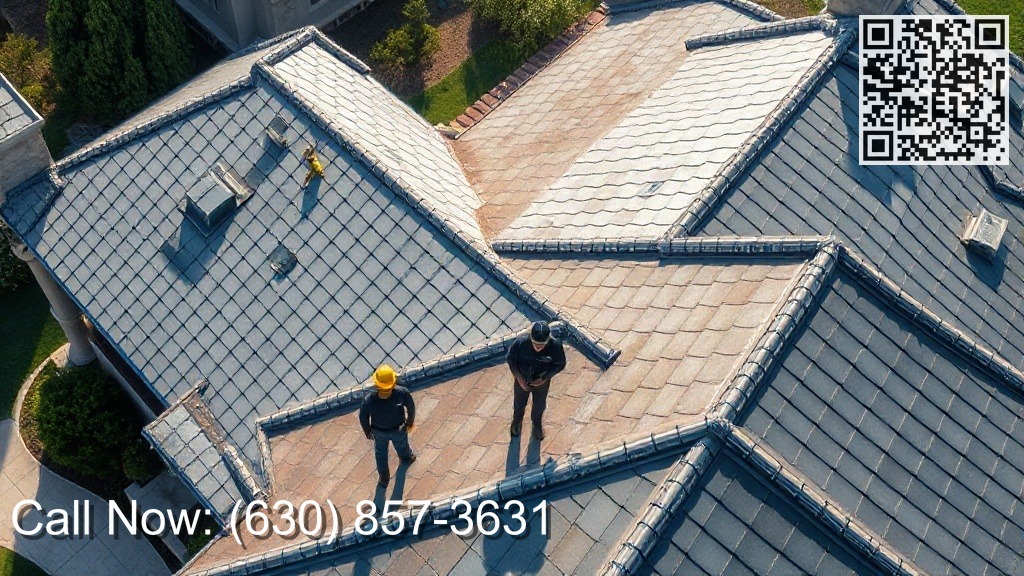
Why households care about more than curb appeal
A beautiful roof covering matters. It frameworks the whole residence. It can boost a simple outside or complete a premium building design. Yet families do not make roof covering decisions based on appearance alone. They care about weekends, repair work expenses, insurance concerns, and whether the home will still festinate 10 years from now.
That practical mindset is one factor artificial roofing shingles have obtained grip. A well-made synthetic roofing can provide a dimensional, high end look while avoiding most of the weak points that irritate owners of typical materials. Cedar can split, dry out, or invite maintenance issues. Natural slate is timeless, yet it is additionally pricey, fragile under foot, and extremely hefty. Criterion asphalt remains typical for good reasons, yet some home owners desire a longer-lasting or much more distinct look than conventional three-tab or lower-tier laminated items provide.
On household homes, especially bigger country homes with several rooflines, dormers, and valleys, the roof needs to perform silently behind-the-scenes. Nobody wishes to ask yourself whether the following hailstorm will leave noticeable marks or whether a small split in a fragile tile will certainly turn into a leak by January.
The toughness of artificial roofs remains in the balance they strike
The best roof covering options are hardly ever regarding one outstanding feature. They are about equilibrium. Midwest homeowners often require a roofing system that is attractive, influence immune, lighter than slate, lower upkeep than timber, and suitable for both newer homes and timeless design. Artificial roofs fit into that middle ground incredibly well.
A premium artificial profile can mimic hand-split shake or quarried slate with shocking realistic look. From the visual, and often even from the driveway, the distinction is hard to spot. That matters on high-end homes, customized homes, and well established neighborhoods where roof covering appearance impacts the character of the road. Artificial roof covering for luxury homes has actually ended up being specifically preferred due to the fact that it maintains the intended design language without requiring the proprietor right into the expense and upkeep demands of all-natural materials.
At the exact same time, these items are generally easier to handle during synthetic roofing setup than stone-based materials. Reduced weight can decrease stress and anxiety on the structure and simplify planning when a house owner is considering an artificial roof replacement on an older home. That lighter weight does not imply lightweight. Oftentimes, it indicates the product is crafted for resilience as opposed to relying on mass alone.
Weather resistance is not an advertising expression in Chicagoland
When home owners search for artificial roofing Chicago or synthetic roof covering Naperville IL, they are seldom browsing for abstract layout ideas. Generally, something has taken place. A storm exposed weaknesses in the old roof. Your house schedules for substitute. Insurance coverage has actually entered into the discussion. Or the proprietor is investing in a lasting exterior renovation and wants a roof covering that can stand up in Chicagoland weather without compromising appearance.
Wind matters below. So does hail storm. A roof item that looks excellent in a sales brochure however scuffs, splits, or splits under genuine tornado exposure is very little usage. Numerous artificial roofing systems are made with effect efficiency and wind resistance in mind, though exact rankings vary by supplier and profile. That does not suggest every artificial item is equivalent. It indicates the classification has actually matured to the factor where homeowners can find systems developed for severe climate, not just style.
I have seen the difference this makes on homes surrounded by huge maples and oaks. Branch clutter, seed sheaths, and continuous debris can be rough on a roof covering surface area. Some natural products show wear quickly in those conditions. Much better synthetic surface areas have a tendency to manage everyday abuse extra beautifully, gave the roofing is set up appropriately and fundamental maintenance is not ignored.
A better fit for intricate roof covering designs
Many Midwest family homes are not basic rectangles with a clean gable and marginal detail. They have intersecting roofing system aircrafts, ornamental tops, turrets on customized homes, covered decks, attached garages, and additions from various ages. Those style functions can be stunning, however they develop extra shifts, valleys, hips, and flashing points, which suggests more locations where a roofing system can go wrong.
Architectural synthetic roofing works well on complicated roofing frameworks because it can bring a premium, cohesive seek to areas where conventional shingles commonly show up level or generic. That aesthetic advantage is not minor. On a substantial home, the roof might represent a huge share of what people see from the road. If the material looks slim or uninteresting, the whole residential property can really feel much less finished.
There is also a useful upside. With the ideal staff, artificial roofing installation can be carried out with specific describing around dormers, smokeshafts, skylights, and air flow infiltrations. The material alone does not assure that outcome. Craft matters. A knowledgeable artificial professional roofer recognizes that valleys, flashings, underlayment changes, and ventilation strategy figure out whether a roof covering just looks great on the first day or executes for years.
Weight is a larger issue than numerous property owners expect
One of the most forgotten advantages of costs synthetic roof covering is its lighter weight compared with natural slate or some floor tile systems. For older homes, or perhaps for relatively recent homes not initially crafted for exceptionally hefty roof, this can be decisive.
Structural reinforcement is feasible, certainly, yet it adds price, intricacy, and interruption. For a household currently coordinating roof covering job around institution schedules, work-from-home regimens, family pets, and climate home windows, preventing unnecessary structural work can make the entire project much more manageable.
That is one reason an artificial roof covering firm may advise artificial slate or shake profiles when home owners want a costs look without the problem of considerable added load. You protect the aesthetic intent while decreasing stress on rafters, trusses, and sustaining walls. For several Midwest homes, particularly those with large spans or previous renovation job, that is a practical compromise.
Maintenance matters extra after year five than in month one
Every roof looks promising when it is brand-new. The truer examination comes later on. How does it age after repeated tornados, summer season UV exposure, and wintertimes where snow rests for days before defrosting? How much attention does it need from the homeowner?
Families have a tendency to appreciate products that request for much less without looking lower. That is a crucial reason property synthetic roof continues to push on. It usually does not require the same upkeep attitude as actual cedar. It also avoids several of the frailty and repair sensitivity connected with all-natural slate, where solution job requires specialized handling and broken pieces can be costly to replace.
That does not mean a synthetic roof covering is maintenance-free. No honest synthetic roofer should present it by doing this. Valleys still need to stay clear. Seamless gutters issue. Flashings still age. Sealants at accessory penetrations do not last permanently. Storm inspections are still sensible. However, for homeowners who desire resilient efficiency without frequently babying the roofing system, artificial typically lands in a really attractive sweet spot.
A practical upkeep rhythm generally appears like this:
- Have the roofing visually examined after major hail storm or wind events.
- Keep gutters and downspouts clear so water does not support at eaves and valleys.
- Trim looming branches that scuff the surface area or decline excessive debris.
- Watch attic air flow and insulation degrees, which influence moisture and ice dam behavior.
- Address tiny flashing or penetration problems early, before they end up being interior leaks.
That sort of regimen is reasonable for a family home. It protects the investment without transforming the roofing system into a continuous project.
Installation top quality will make or damage the result
This is the factor lots of posts skim previous, but it matters as long as the product selection. An exceptional product set up improperly can fall short faster than an average product mounted by a disciplined crew.
Homeowners searching for a synthetic professional roofer Chicagoland broad need to pay very close attention to experience with the particular line of product being recommended. Synthetic systems are not compatible in the field. Exposure, attaching patterns, starter information, ridge therapy, underlayment pairing, and flashing integration can vary from one supplier to the following. A crew that primarily installs common asphalt might not immediately be the appropriate crew for synthetic roofing system substitute on a complicated home.
An excellent synthetic roof covering company will clarify not simply the roof shingles or ceramic tile profile, however the entire system. That includes air flow, ice and water protection in at risk areas, ridge details, pipeline flashings, smokeshaft blinking, and how the product behaves on lower-slope changes if those exist. Homeowners do not require to end up being roofing specialists, yet they need to expect clear answers.
The best synthetic roofing installers also understand appearances. They recognize just how to mix programs, vary pattern where ideal, and avoid mechanical-looking designs that flatten the impact of a premium product. That is particularly vital when installing synthetic roof covering for high-end homes, where the finish top quality is judged carefully and the roofing system plays a major duty in the home's architectural identity.
Cost is entitled to a more straightforward conversation
Synthetic roof covering usually sits over typical asphalt in cost, sometimes meaningfully so. That can trigger reluctance in the beginning look. But preliminary cost alone is not the appropriate statistics, specifically for house owners preparing to stay put.
The more useful question is what the owner enters return. Typically the answer consists of longer service expectations than lower-tier products, boosted appearance, reduced structural issues compared with all-natural slate, reduced maintenance than cedar, and better strength in harsh weather condition than lots of people expect. On a high-visibility home, looks alone can bring actual value. On a practical degree, fewer fixings and much less anxiety throughout tornado period count too.
That said, artificial is not constantly the ideal response. On a tiny starter home with a straightforward roofline and tight budget plan, a premium asphalt architectural roof shingles may be the much better fit. On a traditionally substantial building based on stringent conservation requirements, genuine all-natural products may still be essential. Good judgment implies acknowledging where artificial sparkles and where an additional choice may make even more sense.
Why it suits both suv family homes and high-end custom properties
One of the intriguing features of synthetic roofing systems is exactly how broad their range has actually become. Years ago, many people thought about synthetic as a niche item for luxury jobs only. That is no longer real. The category now fits a broad spectrum of homes, from high end suburban colonials and craftsman-inspired builds to large estate homes and renovated older properties.
For the suburban family members home, the worth is simple. The roof can take care of Midwest conditions, elevate visual appeal, and stay clear of some of the maintenance luggage of wood or stone. For higher-end homes, the attraction shifts slightly. There, homeowners typically desire premium artificial roof since it enhances stonework, copper, customized trim, and high-design outsides without the installation concern and lifecycle concerns tied to all-natural materials.
That flexibility is a major advantage in markets like Chicago and Naperville, where neighborhoods mix conventional, transitional, and custom-made architecture. A roofing material that can adapt visually while still providing sensible efficiency has a natural edge.
What homeowners should ask before picking a system
The smartest roof choices normally originate from a calm, thorough discussion prior to agreements are authorized. Product samples matter, but the questions behind them matter more. Ask how the selected synthetic roof covering shingles have actually executed in local conditions. Ask about effect resistance, wind guarantees, shade stability, and attic room ventilation needs. Ask who will really monitor the artificial roofing system installment, and how flashing information will be managed on your specific home.
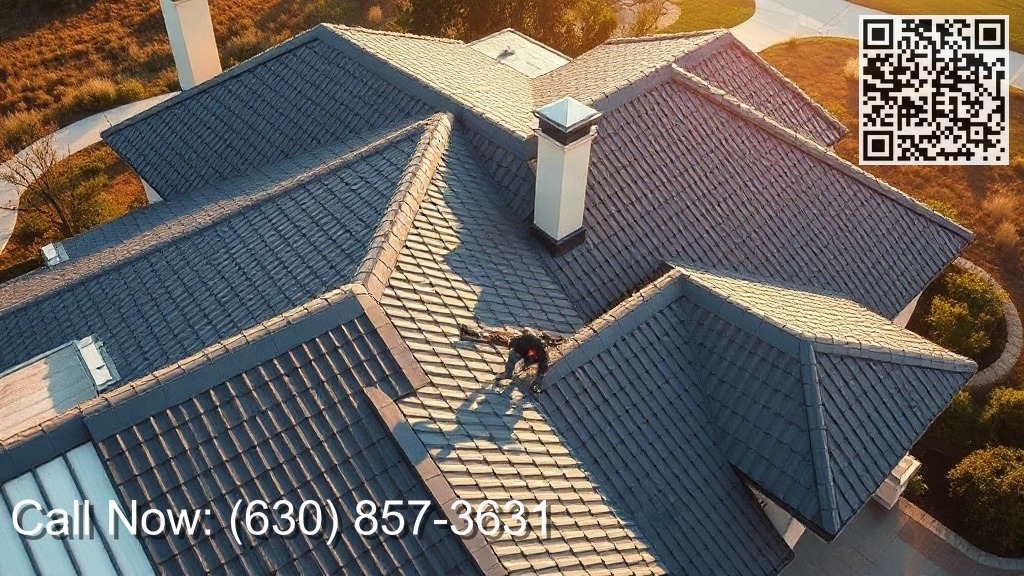
It is also worth asking to see finished neighborhood tasks that have been set up for a few years, not just a brand-new showcase roofing system. Climate levels much faster than sales literary works does. A roofing system that still looks well balanced, tight, and clean after numerous Midwest seasons says more than any kind of brochure.
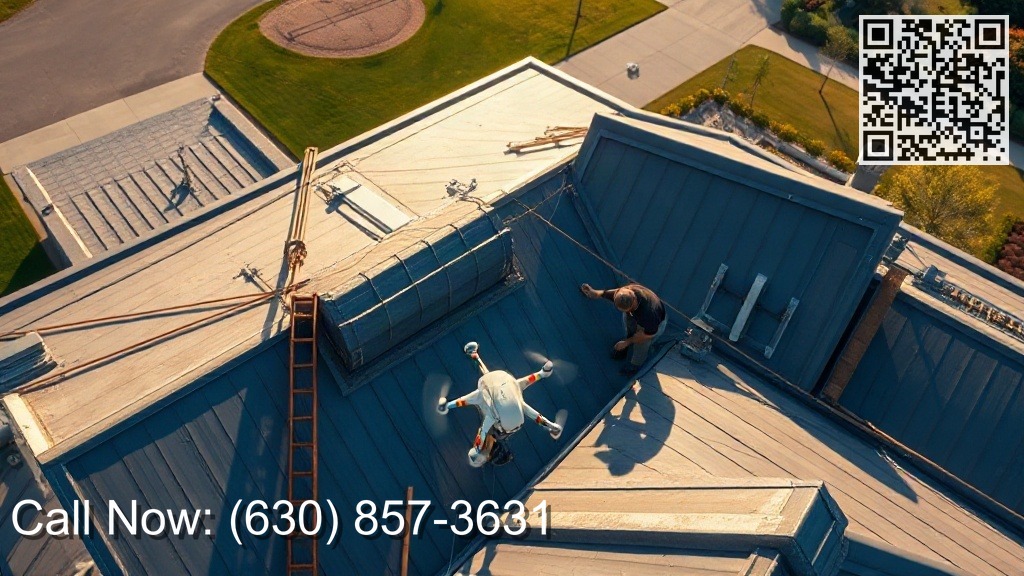
Homeowners should also make clear the service side. If a fixing is needed later on, does the artificial roofer handle it directly? Are matching materials most likely to stay available? What sort of craftsmanship backing features the work? Those questions are not attractive, however they frequently divide a smooth ownership experience from a discouraging one.
The long view favors resilient, low-drama materials
The roofings that owners feel best around after ten or fifteen years are not constantly the least expensive up front, neither are they constantly one of the most standard. They are the ones that fit your house, the climate, and the proprietor's top priorities without producing consistent friction. In the Midwest, that typically https://erickyjkg563.swiftnestly.com/posts/building-artificial-roof-for-homes-battling-ice-rainfall-and-warmth means resilience, sound installment, workable upkeep, and an appearance that still really feels right as the home ages.
Residential synthetic roofing checks those boxes unusually well. It supplies the style variety required for every little thing from timeless suv homes to custom-made high-end homes. It gives home owners a choice to heavier or even more maintenance-intensive all-natural materials. And in position where climate is not theoretical, but seasonal truth, it provides a useful margin of confidence.
For households in Chicagoland and comparable Midwest markets, that confidence matters. A roof covering must not be a recurring resource of tension. It must safeguard your house, sustain the design, and hold its own via tornado season, school years, and the lengthy stretch of common life in between. That is why artificial roofings have actually become such a solid suitable for Midwest family members homes, and why extra property owners are selecting them when it is time for a major upgrade.
When Quality Matters
Salvo Architectural Roofing Contractors
566 West 5th Ave Naperville, IL 60563
(630) 857-3631
 Ask ChatGPT
 Ask Grok
 Ask Perplexity
 Ask Claude
 Ask Google AI
 Ask You