Exactly How a Synthetic Professional Roofer Reviews Weather-Related Roofing System Dangers
Weather does not damage every roofing system the same way. Two homes can remain on the exact same street, take the very same storm, and come away with really different results. That difference usually boils down to design, installment top quality, water drainage, direct exposure, and product option. A skilled artificial roofer discovers to review those variables rapidly, due to the fact that climate danger is seldom nearly what took place last night. It is likewise about what has actually been constructing for years.
That is particularly true with artificial roofs. Homeowners often choose them for durability, appearance, and reduced upkeep compared to natural slate or cedar. Those are actual benefits, but no roof covering material is unsusceptible to poor presumptions. A high roofing system with outstanding flashing information and a well-installed artificial system can manage extreme climate far much better than a costs product laid over inadequate outdoor decking or coupled with weak attic room air flow. A roofing is a system, not just a shingle.
In places with vast seasonal swings, that difference matters even more. An artificial roofing contractor Chicagoland homeowners trust needs to assume over one's head kind of storm. In the very same year, a roofing system may deal with motoring rainfall, hail, rapid freeze-thaw cycles, ponding at low-slope changes, ice damming at the eaves, and summer season heat that checks expansion and air flow. Assessing weather-related roofing system risks means researching how the entire setting up carries out under duplicated tension, not simply looking for apparent missing out on pieces.
Why synthetic roof covering transforms the assessment mindset
Architectural synthetic roof is typically picked due to the fact that it simulates slate, shake, or tile while reducing dead tons on the structure. That lighter weight can be a major advantage, specifically throughout an artificial roofing replacement on an older home where architectural alterations would certainly be expensive. But lighter weight additionally alters how wind, attaching patterns, and side detailing need to be assessed.
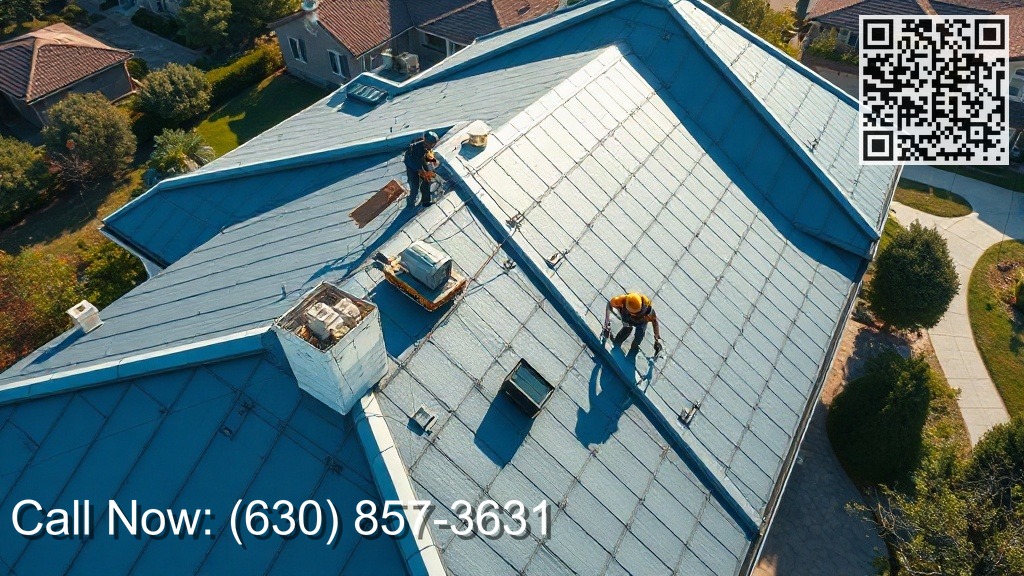
A service provider inspecting natural slate tries to find split rock, slid items, failing copper, and load-related sagging. A professional checking artificial roof roof shingles considers those same important transitions, but also pays attention to exactly how the material flexes, exactly how it was attached, whether it has actually begun to crinkle or raise at the leading side, and exactly how repeated thermal motion might be impacting infiltrations and flashings.
Premium artificial roof covering products have a tendency to do well when set up to requirements, yet the phrase "to specification" lugs a great deal of weight. Maker details for starter training courses, ridge vent combination, valley therapy, bolt placement, and underlayment compatibility are not fine print. They are the distinction in between a roof covering that disregards a tough weather season and one that begins dripping in subtle, expensive ways.
The first thing a seasoned contractor studies is exposure
Before climbing up a ladder, an excellent examiner spends a couple of mins on the ground. Exposure tells a story. A residence on an open great deal without any tree canopy will take much more direct wind and UV exposure than a residence protected by surrounding frameworks. A home at the end of a long bring, such as the edge of a class backing to open prairie, frequently sees greater gust pressure at corners and ridges. In the Chicago location, that matters. Wind does not need to get to headline-grabbing speeds to examine a roofing system's weakest details.
Orientation matters as well. South- and west-facing slopes usually age quicker since they take more direct sunlight and harsher mid-day warmth. North-facing slopes might hold moisture much longer, which can motivate algae development, freeze-thaw stress, and persistent dampness around debris pockets. When a synthetic roof firm reviews risk, those slope-by-slope distinctions assist anticipate where failure is probably to show up first.
The roofline also shapes direct exposure. Dormers, intersecting gables, dead valleys, long rakes, and multi-level shifts all create turbulence and drainage focus. Artificial roofing for luxury homes typically involves intricate geometry, and intricacy elevates both visual value and weather condition threat. The more elaborate the style, the more important the information become.
Hail is seldom a straightforward yes-or-no diagnosis
Homeowners typically inquire about hail storm first, especially after a storm. Naturally so. Hail storm damage sounds simple, yet it frequently is not. On artificial roofings, influence action depends upon the product solution, the dimension and density of the hail storm, roofing system slope, ambient temperature, and whether the roof already had hidden vulnerabilities.
Some effects leave evident visual marks, such as scuffs, crushed edges, leaks, or fractured tabs. Others develop less significant indications, like mild contortion around bolts, anxiety bleaching, or bruising that appears just when seen at an angle or dealt with meticulously by a knowledgeable artificial professional roofer. The obstacle is dividing cosmetic wear from practical damage.
That judgment phone call matters because replacement choices bring actual cost. A service provider with stability does not call every acne tornado damages, and a cautious homeowner needs to be wary of anyone who does. On the other hand, refined impact damages around hips, ridges, and exposed field areas can compromise water losing long prior to a leak appears within. I have actually seen roofings that looked acceptable from the driveway, yet showed repeated micro-fracturing in high-exposure areas as soon as inspected up close. Those roofings often fall short throughout the next significant tornado, not the one that initially damaged them.
In artificial roofing Chicago projects, hail evaluation frequently overlaps with age and installment history. A newer roofing system with sound outdoor decking and appropriate underlayment may endure modest hail storm effectively. An older roofing, specifically one with marginal attachment or fragile device elements, can suffer out of proportion damages from the same event.
Wind damage beginnings at the sides and steps inward
Wind does not strike a roofing evenly. It works on edges, eaves, ridges, and rake sides initially. Negative stress lifts where resistance is weakest, then repeated gusting expands that weakness. On synthetic roofing installation tasks, side securement and starter positioning are several of the most important factors in lasting storm resilience.
During examination, a service provider tries to find tiny hints: a slightly increased leading side, sealant failing where it must be bonded, bolts positioned too expensive, ridge caps with minor variation, or exposed underlayment at vulnerable transitions. These are the sort of issues homeowners practically never observe from the ground, however they are specifically what develop into blown-off areas throughout the next wind event.
This is one reason synthetic roof installers that understand regional weather patterns tend to surpass staffs that simply know just how to make a roofing system appearance completed. In Chicagoland, wind-driven rain is typically as vital as wind uplift. If an information allows capillary entry or heartburn under pressure, the roof can leak even without shedding noticeable pieces.
A contractor also looks at what is taking place around the roofing. Loose gutters, displaced fascia wrap, curved drip edge, and movement at smokeshaft blinking can all indicate that wind has already begun to exploit weak points. Roof threat is seldom separated to the field product alone.
Freeze-thaw damage is one of the most underrated threats
Homeowners typically picture weather damage as significant and abrupt. In reality, many roofing system failures are slow. Freeze-thaw cycles are an excellent example. Water enters a little space, rests, ices up, expands, defrosts, then duplicates the procedure loads of times via a winter season. Each cycle expands the opening, loosens up bolts, or stresses adjacent components.
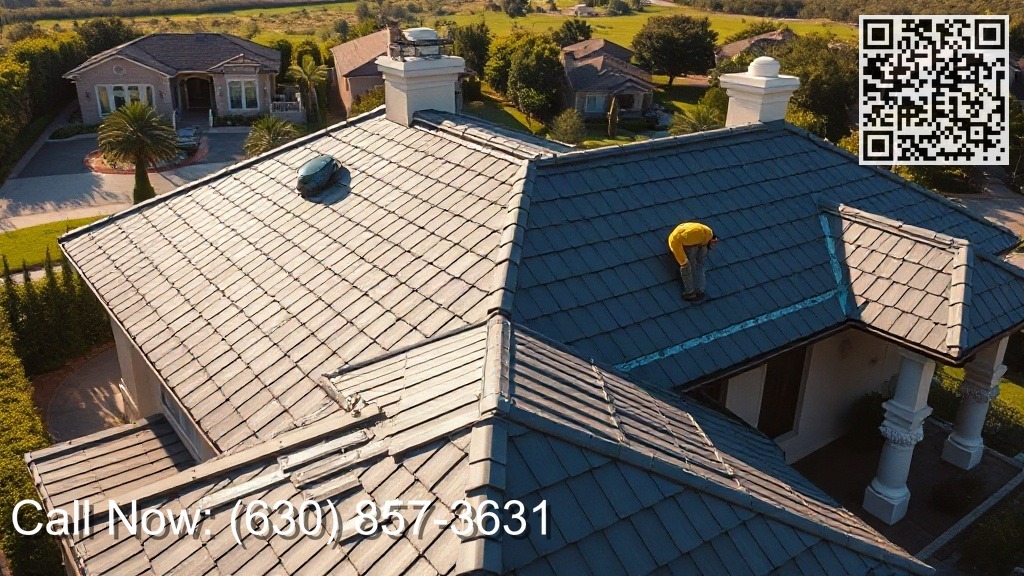
Synthetic roofing systems normally handle moisture far better than lots of typical materials, however they are still prone where water sticks around. Valleys, sidewall shifts, roof-to-wall junctions, skylight visuals, plumbing vents, and smokeshaft saddles are common difficulty locations. If debris slows down drain or blinking was not incorporated cleanly at installment, winter months will discover the mistake.
In artificial roof Naperville IL assessments, ice dam danger is a regular subject due to the fact that the area sees adequate snow and enough temperature level fluctuation to make edge defense crucial. A service provider does not just seek the presence of ice shield. The analysis goes additionally. Just how much up the slope does it run? Was it set up constantly at prone shifts? Is attic room heat loss contributing to melt-and-refreeze patterns? Are intake and exhaust ventilation stabilized? Those inquiries matter since ice dams are not caused by roof covering material alone.
I as soon as looked at a high-end home with costs artificial roofing that had actually created tarnishing along two upstairs bedroom wall surfaces. The shingles themselves were still healthy. The actual problem was a combination of insufficient attic air sealing, irregular insulation, and a valley detail that caught slushy snow longer than it must have. The noticeable symptom appeared indoors, yet the root cause was a system dispute between warm activity, wetness, and drainage.
Drainage informs you more than the shingle surface
A roofing system can have attractive synthetic roof roof shingles and still be high danger if drain is poor. Water is patient. It does not need a significant opening. It only requires rep and time.
That is why a seasoned synthetic roofing company invests serious interest on water paths. Valleys should relocate water cleanly without capturing leaves or overconcentrating drainage versus fragile shifts. Cricket building behind chimneys need to avoid standing water and drifting snow accumulation. Rain gutters need to have adequate capability and proper pitch. Downspouts ought to discharge properly so winter season backup does not produce ice at the roofing edge.
Drainage troubles often appear first as discoloration, granule-like debris from surrounding materials, mold near soffits, or repeated overflow marks on house siding. On multi-level roof layouts, top areas can unload extraordinary water volume onto reduced decorative locations. This prevails in synthetic roofing for deluxe homes where aesthetic roofing intricacy can unintentionally produce focused wear areas. A professional examining climate threat needs to think hydraulically, not simply cosmetically.
Attic problems frequently validate what the outside suggests
Exterior assessment can recognize likely failure points, however attic room problems commonly confirm the medical diagnosis. A professional examining weather-related roofing threats will certainly try to find darkened sheathing, rusted nail tips, mold-like growth, compressed insulation near eaves, frost deposit, or indications of persisting wetness around penetrations. These signs aid separate a single occasion from a chronic issue.
Poor ventilation stays among the largest hidden liabilities in household synthetic roofing. Too little intake can deprive ridge exhaust. Way too much exhaust without balanced intake can draw conditioned air from the home. Regardless, the roofing deck experiences temperature level and moisture swings that increase winter condensation and accelerate summertime warmth stress.
This is where experience matters. House owners usually presume that if a roof does not leak, it is fine. However roofings can mature from the inside out. A synthetic roof covering replacement may come to be required not due to the fact that the area material stopped working early, however because caught warm and dampness broke down the substrate, underlayment, and fastener holding power over time.
Material compatibility is a real weather-risk factor
Not all artificial roofing systems are identical. Item style, accessory accessibility, evaluated assemblies, and accepted underlayments vary. A service provider evaluating threat requires to know what specific product is on the roof covering and whether the initial installation matched its requirements.
This seems technical, however it has useful effects. If an artificial shake account was set up with a common ridge information instead of the manufacturer-recommended vented setting up, wind-driven rainfall efficiency might be lowered. If flashing steels were picked without thinking about neighborhood rust direct exposure or movement, thermal biking can open joints. If bolts were as well brief for the deck condition, uplift resistance might never ever have been adequate.
Architectural artificial roofing usually is successful since it combines visual allure with engineering benefits. However crafted systems just work when their components are treated as interdependent. That is one reason a qualified synthetic roofer will commonly ask more inquiries than a basic roofing contractor. The objective is not to make complex the task. The objective is to prevent certain guesses.
Age issues, however age alone is a bad predictor
Homeowners frequently ask how many years an artificial roof covering "must" last. It is a fair inquiry, but climate danger does not follow a neat schedule. I have seen relatively young roof coverings with preventable installation problems age severely in under a years, and older roofing systems stay functional because they were set up very carefully, aerated appropriately, and maintained consistently.
A far better way to consider age is as one element amongst several. The better concerns are these: The number of significant weather occasions has the roofing system experienced? Has it seen duplicated freeze-thaw stress? Was maintenance done promptly after minor damage? Are at risk transitions original, patched, or formerly modified? Has close-by tree development transformed color and debris patterns over time?
When synthetic roof covering installers assess replacement versus repair service, they weigh present condition, forecasted weather exposure, and cost efficiency. A localized fixing can be the appropriate solution if the roofing system is essentially audio. However if multiple details are approaching failure simultaneously, an artificial roofing system substitute may be much more sensible than chasing after leakages section by section.
Regional judgment issues in Chicagoland
There is a factor local experience turns up so typically in professional selection. Artificial roof covering Chicago and suv markets provide a special mix of climate stress, code assumptions, building selection, and house owner concerns. A contractor functioning routinely in Naperville, the western suburbs, and the city will certainly see patterns that an out-of-area crew might miss.
For instance, older homes may have split modifications, concealed deck repair services, or air flow compromises from earlier restorations. Newer custom homes may utilize complicated rooflines and superior products but still experience drainage concentration if visual appeals were prioritized over runoff monitoring. Lake-influenced wind patterns, heavy wet snow events, springtime hail, and abrupt temperature swings all affect inspection judgment.
That neighborhood pattern recognition is one factor numerous home owners look especially for an artificial roofer Chicagoland based as opposed to simply looking for a wide nationwide service provider. Environment experience is not marketing language. It alters real choices concerning underlayments, blinking techniques, air flow approaches, and repair work urgency.
What an accountable risk examination sounds like
A credible contractor seldom chats in absolutes. Instead, the conversation generally seems determined. This slope is much more susceptible than that. These ridge information must be monitored after the next winter season. The hailstorm marks below show up cosmetic, however this valley blinking is an extra prompt worry. The roofing system might have 5 excellent years left if water drainage is remedied, or a lot less if the attic wetness concern remains unresolved.
That sort of nuanced response can really feel less gratifying than a quick decision, however it is more useful. Roofings fail through combinations of tension. Climate exposes weak points, yet a lot of those weaknesses were created long prior to the tornado arrived.
A careful artificial roofing firm papers problems completely, explains what is currently harmed, what is most likely to become a problem, and what can reasonably wait. The very best suggestions are focused on, not blown up. Property owners do not require alarm. They require clarity.
The value of aggressive inspections
One of one of the most practical lessons in roof is that little defects are most inexpensive when they are still monotonous. A raised side, a small flashing splitting up, blocked water drainage, or early attic room condensation might not feel immediate. After https://lanesdru210.oakridgedigest.com/posts/why-artificial-roofing-system-installers-recommend-weather-resistant-roofing-materials one bad season, each can come to be expensive.
For homes with artificial roofs, particularly personalized or high-value residential or commercial properties, routine examination is part of safeguarding the investment. That does not indicate consistent intervention. It suggests having an experienced artificial professional roofer evaluate the roof after significant hailstorm or wind occasions, and additionally at reasonable intervals as the roofing system ages.
Residential synthetic roof covering is a solid option for house owners who desire efficiency and appearance without the weight and upkeep needs of some conventional products. But the product alone is not the tale. Weather-related roof covering danger is shaped by exposure, design, installment top quality, air flow, drainage, and maintenance response. A contractor who recognizes those links can frequently spot tomorrow's trouble while it is still convenient today.
That is the real value of a professional assessment. It is not just regarding determining damage. It is about comprehending just how weather will communicate with this specific roof, on this particular residence, in this particular climate, and making audio choices prior to the following tornado examinations every assumption.
When Quality Matters
Salvo Architectural Roofing Contractors
566 West 5th Ave Naperville, IL 60563
(630) 857-3631
 Ask ChatGPT
 Ask Grok
 Ask Perplexity
 Ask Claude
 Ask Google AI
 Ask You