Artificial Roof Designed for Midwest Freeze-Thaw Cycles
Anyone that has actually invested a couple of winters caring for homes in the Midwest learns the same lesson quickly: roofings stop working in little means before they fail in remarkable ones. A fracture that looked safe in October can open up by February. A blinking detail that lost water all spring can develop into an ice trap after one hefty snow and a few bright mid-days. In position like Chicago and the western suburban areas, where roofs might see sleet, drifting snow, quick thaws, and subzero evenings within the very same week, product selection matters far beyond curb appeal.
That is where artificial roof have earned severe attention. Not since they assure magic, and not because every item marketed as artificial carries out the very same, but since the far better systems are crafted for movement, dampness resistance, effect resistance, and long-term dimensional stability. In a climate defined by freeze-thaw biking, those traits are not luxuries. They are fundamental survival characteristics.
For house owners comparing costs outside upgrades, specifically those preparing a long ownership perspective, artificial roofing systems commonly being in a fascinating happy medium. They can provide the visual deepness of slate or cedar, frequently with much less weight and more forgiving efficiency in extreme weather. For building contractors, remodelers, and any kind of synthetic professional roofer operating in the Midwest, the real concern is not whether artificial materials can function here. It is which systems are built well enough, and set up carefully enough, to deal with duplicated thermal tension year after year.
Why freeze-thaw cycles are so difficult on a roof
A Midwest roof covering does not just get wet, then dry. It splashes, ices up, increases, defrosts, drains, refreezes, and repeats that pattern over and over. Water works its means into small voids around bolts, side laps, infiltrations, and blinking shifts. When temperatures decrease, that entraped wetness expands. Even a really small amount of growth can expand tiny openings, loosen sides, or location stress and anxiety on fragile components.
The trouble expands when snow cover lingers. A dark roof surface can warm up enough under wintertime sunlight to thaw the bottom layer of snow while the eaves and rain gutters stay chilly. Water runs downslope, gets to the chillier side, and ices up again. That is the traditional arrangement for ice dams. Once that dam forms, meltwater can support under the roof covering. If the system does not have an effectively set up underlayment or if the details at eaves and valleys were taken care of casually, indoor leaks frequently follow.
Traditional roofing materials each have their very own susceptabilities in this environment. Natural cedar can soak up dampness and weather condition erratically. Some concrete or clay products take care of cold well yet bring weight and setup constraints. Natural slate is lovely and sturdy, yet it is brittle and costly to fix if individual pieces fracture from effect or foot website traffic. Asphalt roof shingles continue to be common, though lower-end items may shed granules and flexibility faster under seasonal stress.
Architectural artificial roofing entered that conversation by offering a various balance of buildings. The much better items are made to stand up to moisture absorption, remain stable under temperature swings, and manage effect without the very same brittleness discovered in some all-natural materials. That does not indicate every artificial roofing is equal. It indicates the category contains strong options when matched to the climate and set up with discipline.
What makes an artificial roof appropriate for Midwest weather
People usually focus on the noticeable shingle or floor tile, but a roof is successful as a system. The area product issues, naturally, yet underlayment choice, ventilation method, attaching pattern, flashing design, and edge detailing commonly establish whether the roof covering really performs through fifteen or twenty freeze-thaw seasons.
The best artificial roofing systems for the Midwest typically share a couple of functional qualities. They resist wetness uptake. They do not come to be excessively fragile in winter. They endure hail storm much better than lots of brittle alternatives. They additionally keep their profile and securing honesty under high winds, which matter as much in Chicagoland as snow tons does. Winter tornados below hardly ever arrive as a tidy, vertical occasion. Wind-driven snow discovers weak points that a tranquil rainfall never would.
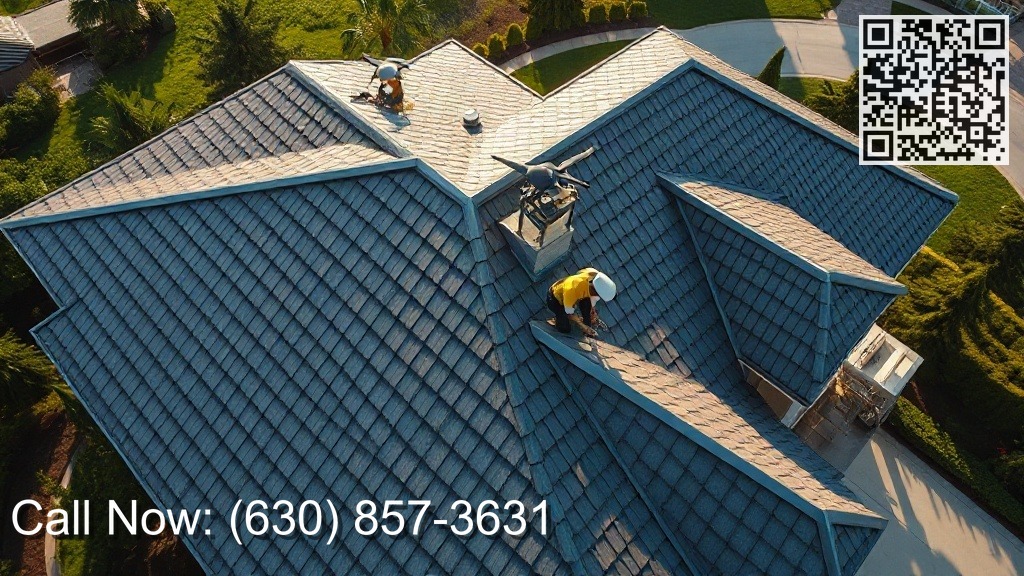
Material structure plays a large function. Numerous premium artificial roof covering items are made from crafted polymers, recycled substances, or exclusive composite blends. Some are molded to mimic cedar shake, natural slate, or hand-split textures with surprising realistic look. That aesthetic allure is one factor synthetic roofing for deluxe homes has actually come to be much more common in premium areas. The functional reason is that the appropriate item can supply lower upkeep and much less structural problem than the natural material it imitates.
Weight is not an unimportant problem. A lighter roof covering can decrease the demand for architectural support during a synthetic roof substitute, especially on older homes. In historical areas around Chicago, that flexibility can protect design intent without forcing significant framing job. A hefty roof covering can still be the appropriate answer sometimes, yet lots of household synthetic roof items give owners much more options during remodel planning.
The Midwest details that divide a suitable roofing from a long lasting one
I have seen eye-catching roofs underperform because the system was defined by sales brochure and set up by routine. Freeze-thaw environments subject shortcuts quickly. A roofing professional can make practically any type of material look good on day one. Year five tells the actual story.
On artificial roofing system installment tasks in northern Illinois, one of the most vital conversations typically occur prior to the initial bundle is opened up. Roofing system pitch, water drainage patterns, attic insulation, air flow pathways, gutter design, smokeshaft problems, and the quantity of tree cover all influence just how the roofing will certainly behave in winter. A steep roof might lose snow extra conveniently, yet it might additionally dispose large sheets onto valleys, lower roofing system sections, and entranceways. A low-slope transition location that looks minor on plan drawings can come to be the powerlessness of the entire setting up if the incorrect underlayment is used.
Ventilation is worthy of special attention. Individuals often tend to minimize winter roof covering performance to a basic product choice, yet numerous cold-weather leakage patterns begin inside your home. Warm, damp interior air leaving into the attic can increase roofing deck temperature levels, drive unequal snowmelt, and heighten ice dam formation. Even premium synthetic roof covering can not make up for an attic room that is poorly shielded or improperly vented. The roof covering is just the top layer of a structure scientific research problem.
Flashing work is another dividing line. Around chimneys, dormers, skylights, and wall crossways, movement and water focus collaborated. Synthetic roof roof shingles may stay intact for decades, however if the blinking sequence was improvisated, the setting up stays at risk. In Chicago-area job, where winter months wind can press snow and meltwater side to side, the quality of metal information commonly matters as long as the field item itself.
Why artificial roofing systems attract Midwest homeowners
The allure is not just durability. It is predictability. Property owners would like to know what they are buying, what maintenance will certainly appear like, and whether the look they pay for today will still review as improved in 10 or fifteen years.
Premium synthetic roofing often responds to that problem well. Good products hold shade https://edgarbwvu096.iamarrows.com/synthetic-roofing-chicago-trends-resilient-roof-for-extreme-weather-condition regularly, withstand splitting, and stay clear of the arbitrary degeneration pattern that can influence natural organic materials. On customized homes, particularly those going for the look of slate or cedar without the very same maintenance worry, synthetic roofing for high-end homes uses style versatility that feels practical instead of compromised.
That is specifically relevant in locations where architecture lugs a solid aesthetic identity. In parts of Chicago, Oak Creek, Hinsdale, Naperville, and surrounding neighborhoods, property owners might desire a steep-pitch roof that complements rock exteriors, copper accents, and carefully designed landscape plans. A roof covering is not a history component on those homes. It is one of the dominant aesthetic surface areas. Architectural artificial roof can give the texture and darkness lines owners desire, while still being reasonable for a climate that penalizes delicate finishes.
For several family members, the discussion ends up being a lot more straightforward during a synthetic roofing system substitute. They have actually already lived through maintenance cycles on aging cedar, curling asphalt, or hail-damaged materials. They are not shopping for uniqueness. They are looking for less surprises.
Chicago and the western residential areas pose their own challenges
When clients search for artificial roof covering Chicago or artificial roof Naperville IL, they are usually not trying to find a common national response. They would like to know just how a product behaves here, under neighborhood weather, regional code assumptions, and regional installment habits.
Chicagoland roof coverings deal with wide annual temperature swings, strong wind occasions, lake-influenced weather condition patterns in some areas, and freeze-thaw repeating that can endure every revealed detail. Snow tons vary from tornado to storm, but the real issue is typically less regarding maximum weight and more about snow movement, refreezing at overhangs, and water administration throughout partial thaw periods.
An artificial professional roofer Chicagoland home owners can trust need to be able to speak simply about those conditions. That suggests reviewing ice and water barrier positioning, ventilation equilibrium, producer attachment requirements, and practical assumptions for life span. It additionally indicates recognizing when artificial is a strong fit and when one more system may make more sense as a result of roof geometry, community requirements, or budget plan priorities.
Not every home advantages equally from the very same profile. Some synthetic roofing tiles imitate slate with a limited, crisp format. Others resemble hand-split shake with much deeper appearance and much more noticable shadowing. The appropriate choice relies on the design, yet also on just how the account handles drain and particles. A heavily distinctive roof covering under fully grown trees might hold more organic matter than a cleaner slate-style account. That is not always a deal breaker, though it needs to be part of the conversation.
Installation high quality matters greater than marketing language
The expression artificial roof firm can define businesses with extremely different degrees of experience. Some set up the group consistently and recognize its subtleties. Others add it to a brochure due to the fact that customers are asking for it, while still approaching it like common asphalt. That void turns up quickly in trim work, layout accuracy, accessory compatibility, and guarantee compliance.
An experienced artificial roofing contractor will typically begin by verifying the producer's precise setup demands rather than thinking category-wide guidelines. Exposure lines, starter details, ridge treatment, bolt type, spacing, and authorized underlayments can differ. In freeze-thaw problems, those differences matter. A little discrepancy may not set off a prompt failing, however it can reduce the system's margin for mistake during severe winters.
Good artificial roof covering installers additionally pay attention to hosting and handling. Some items remain versatile in winter, others come to be much less forgiving until temperatures rise. Reducing techniques might differ by season. Sealants that act one way in mild spring climate may execute in different ways throughout a late-fall installment home window. These are regular area judgments, however they are exactly the kind of judgments that separate a clean install from a rushed one.
One of the more revealing signs on a jobsite is whether the crew treats shifts as personalized work or repetitive job. Valleys, wall surface linkups, saddle flashings behind smokeshafts, snow retention preparation, and discontinuation factors at stonework all need thought. A roofing system with several intersecting planes can consume much more labor in these areas than outdoors area. When bids are available in uncommonly reduced, this is usually where edges obtain cut.
Cost, life-span, and the worth question
Synthetic roofing is hardly ever the lowest upfront cost in the domestic market. House owners comparing quotes will commonly see it above standard asphalt and below some all-natural slate or premium specialized settings up, though actual prices differs considerably by profile, roofing intricacy, and labor market. In customized job, the form of the roofing system can affect cost as high as the product itself.
That stated, value ought to not be lowered to square-foot rate. Costs artificial roofing commonly makes sense when proprietors account for anticipated maintenance, reduced repair work regularity, structural cost savings due to lower weight, and the aesthetic longevity of the finished roofing system. A material that sets you back extra at installment but avoids repeating jumble can be the extra affordable option over time.
There is additionally the resale factor, though it needs to be reviewed truthfully. A lovely, well-installed roofing can definitely support purchaser self-confidence, especially on distinct homes, however not every market transforms costs roof into dollar-for-dollar price. The even more reputable return is usually simpler possession and lower chance of sudden capital expense after tornados or severe winters.
Where artificial roof sparkles, and where caution is wise
Synthetic roof carries out especially well when home owners desire a refined building look without the fragility, weight, or maintenance needs of typical materials. It is frequently a solid fit for steep-slope homes, customized develops, historic-style improvements, and upscale household projects where appearance matters along with durability.
It is worthy of an extra cautious evaluation when the roofing system has unusual low-slope locations, chronic air flow problems that have not been dealt with, or budget restraints that might attract an owner to acquire a premium material while underfunding the installation details. A top-tier product on an endangered assembly is still an endangered roof.
There are additionally neighborhood and insurance coverage factors to consider. Some HOAs care deeply concerning aesthetic credibility. Some insurance providers focus on influence scores or fire categories. A good artificial roof covering firm need to be prepared to go through both, due to the fact that a practically audio item still has to please regional assumptions and documents realities.
How homeowners need to evaluate a recommended system
The smartest conversations are specific. Rather than asking whether artificial is good, ask exactly how this exact system will be built on this precise residence. That shift changes the entire process. It relocates the discussion far from sales language and towards area performance.
An efficient estimate testimonial must cover roofing system deck condition, underlayment type, edge metals, air flow modifications if required, flashing substitutes, valley construction, snow and ice administration concerns, and cleaning logistics. It ought to additionally address what stays, what obtains changed, and what covert problems can modify the range once tear-off begins.
For homeowners selecting among synthetic roofing installers, it assists to contrast exactly how plainly each service provider discusses these information. Unclear proposals usually result in obscure end results. Particular proposals generally indicate experience.
Here are a few inquiries worth asking before authorizing an agreement:
- How will the system manage ice dam danger at eaves, valleys, and roof-to-wall intersections on this house?
- Which underlayment and blinking materials are being coupled with the synthetic item, and why?
- Has the team installed this details producer's system before, or comparable products?
- What roofing ventilation enhancements, if any kind of, are suggested in addition to the new covering?
- How are complex information like chimneys, skylights, and snow retention being addressed?
Those questions do not need a house owner to come to be a roofing contractor. They merely force quality. A qualified synthetic roofer must have the ability to address them without hedging.
What maintenance looks like after installation
One reason household artificial roofing has obtained grip is that maintenance is usually workable. That does not imply missing. Also durable products require periodic inspection, specifically after hailstorm, high wind events, or winter seasons with hefty ice buildup.
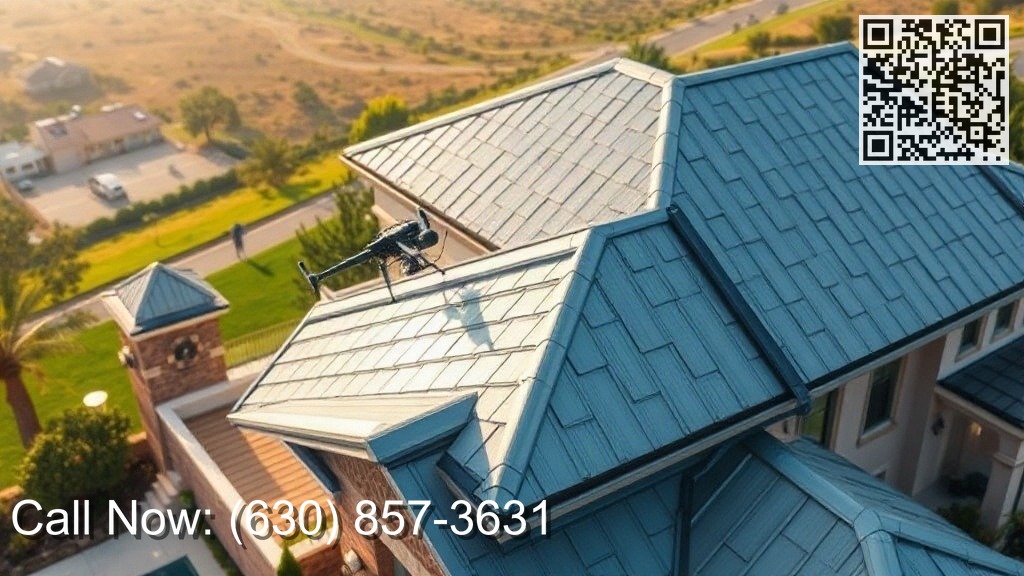
In technique, proprietors need to anticipate regular visual checks from the ground, routine specialist evaluations, and punctual interest to gutters, downspouts, and particles accumulation. An artificial roofing system may resist moisture better than cedar, but if a valley stays loaded with fallen leaves and ice, any roof system can be stressed.
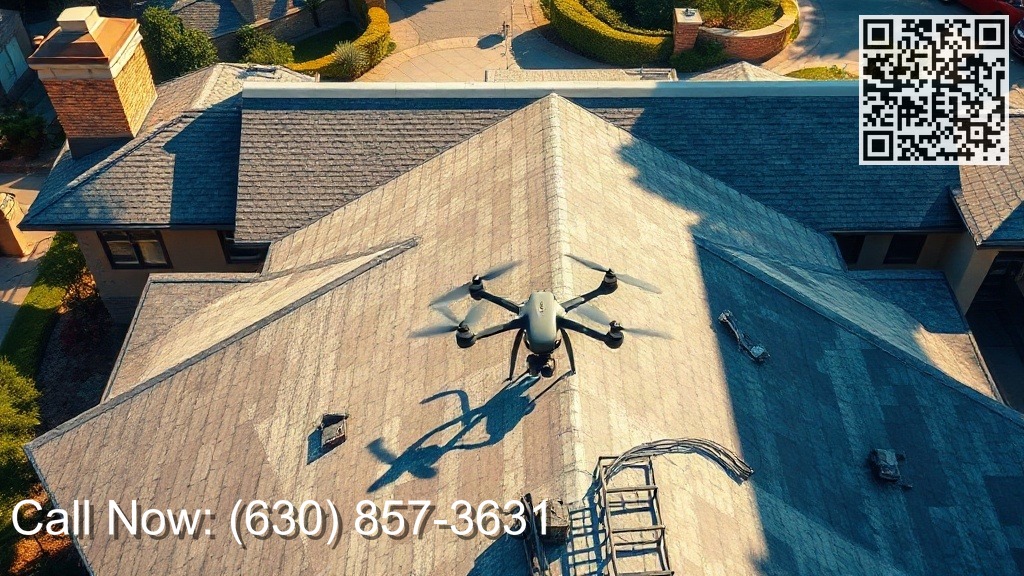
The first few years after installment are likewise a great time to observe your house throughout actual weather condition occasions. Watch exactly how snow sheds. Notification where icicles form. Pay attention to whether one roofing system airplane melts faster than another. Those ideas typically reveal insulation or ventilation discrepancies prior to they become leak calls.
A reasonable care routine typically consists of the following:
- Keep rain gutters and downspouts streaming before winter months starts.
- Schedule examinations after significant hailstorm or wind storms.
- Remove debris from valleys and behind smokeshafts where it collects.
- Address attic insulation and air flow issues if irregular melting appears.
- Avoid unnecessary foot web traffic, specifically from untrained solution trades.
That last point is underrated. Some roofing damage happens not from climate, but from satellite, vacation illumination, or mechanical job done without correct care.
The situation for experience over trend
Synthetic roof coverings are not a passing fad in the Midwest. The far better items have actually proven they belong in the conversation, specifically where house owners want design character without approving the susceptabilities of much heavier or more brittle products. However success still depends upon self-control. Product high quality matters. System design matters. Installer experience matters just as much.
For homes in Chicago and the more comprehensive suv market, that means selecting an artificial professional roofer that recognizes freeze-thaw behavior as a daily reality, not a line in a sales brochure. It implies choosing synthetic roof with a record, not just appealing examples. It means treating artificial roofing replacement as an opportunity to enhance the whole assembly, from underlayment and flashing to ventilation and drainage.
When that happens, the result is not just a roofing system that looks great from the street. It is a roofing that takes on January sunlight on snowpack, March refreezes, April wind-driven rainfall, and the constant, unglamorous stress that defines Midwest weather. That is the requirement that matters here. Not whether a roofing looks impressive on setup day, yet whether it maintains doing its work after years of freeze, thaw, and repeat.
When Quality Matters
Salvo Architectural Roofing Contractors
566 West 5th Ave Naperville, IL 60563
(630) 857-3631
 Ask ChatGPT
 Ask Grok
 Ask Perplexity
 Ask Claude
 Ask Google AI
 Ask You